Same day gardeners in Plaistow for storm damage and urgent care
When a storm blows through Plaistow, the garden can go from tidy to chaotic in minutes. Broken branches, scattered fence panels, fallen leaves, blocked paths, and drenched lawns all have a way of showing up at the worst possible time. If you need same day gardeners in Plaistow for storm damage and urgent care, the real priority is simple: make the space safe, stop the damage getting worse, and get things back under control without delay.
This guide walks you through what urgent garden care usually includes, how a same-day response works, what to expect from the job, and how to make sensible choices under pressure. It is written for people who need practical help now, not vague advice for "sometime next week". And let's face it, after a rough night of wind and rain, nobody wants to spend hours decoding service pages.
Quick takeaway: if your garden has unsafe debris, a damaged tree, blocked access, or storm-battered planting that needs attention fast, a same-day gardener can stabilise the space, clear hazards, and prevent a small problem turning into a much bigger one.
Table of Contents
- Why Same day gardeners in Plaistow for storm damage and urgent care Matters
- How Same day gardeners in Plaistow for storm damage and urgent care Works
- Key Benefits and Practical Advantages
- Who This Is For and When It Makes Sense
- Step-by-Step Guidance
- Expert Tips for Better Results
- Common Mistakes to Avoid
- Tools, Resources and Recommendations
- Law, Compliance, Standards, or Best Practice
- Options, Methods, or Comparison Table
- Case Study or Real-World Example
- Practical Checklist
- Conclusion
- Frequently Asked Questions
Why Same day gardeners in Plaistow for storm damage and urgent care Matters
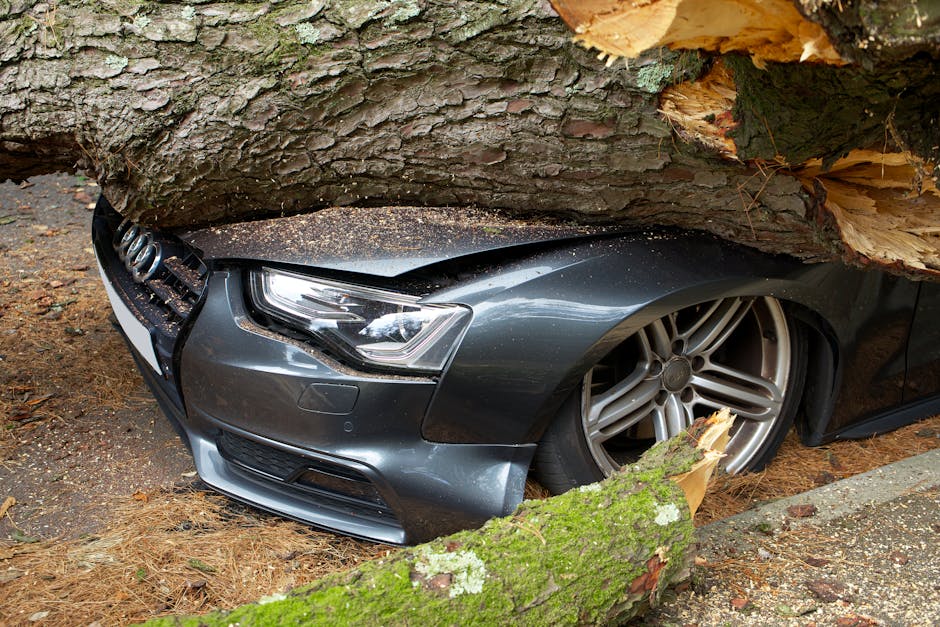
Storm damage in a garden is not just an eyesore. In practical terms, it can create trip hazards, obstruct gates and side passages, weaken trees, damage decking, and leave wet ground vulnerable to compaction and further deterioration. If branches are hanging low or a fence has shifted, the risk is often bigger than the mess itself.
Urgent garden care matters because timing changes the outcome. A branch left under tension can split further. A waterlogged area walked on too soon can become churned mud. Loose debris can spread across driveways, paths, and neighbouring boundaries, which is never ideal when everyone is already dealing with weather disruption.
In our experience, people often wait a day or two hoping the situation will "settle down". Truth be told, storms rarely do you any favours after the fact. If anything, the aftermath is when small problems start multiplying. A fast response helps contain the damage while the site is still fresh, visible, and manageable.
It also gives peace of mind. That matters more than people think. When a garden is littered with broken material and you're not sure whether a tree is stable, it's hard to relax. A same-day visit brings order back to the space and gives you a clearer picture of what genuinely needs attention now, and what can wait.
How Same day gardeners in Plaistow for storm damage and urgent care Works
A same-day garden response is usually built around three things: assessment, immediate risk reduction, and tidy-up or repair planning. The aim is not always to fully redesign the garden in one visit. More often, it's about stabilising the space so it is safe and usable again.
Here is how it generally works on the ground:
- You describe the issue clearly. A brief explanation helps a gardener judge urgency. Is it a fallen branch, a damaged fence, a blocked path, a leaning tree, or a full garden clearance after high winds?
- The priority is safety. Anything that could cause injury, restrict access, or worsen with more wind or rain is handled first.
- The gardener decides the right method. That may include cutting back broken material, removing debris, securing unstable areas, or recommending a follow-up job for bigger repairs.
- Waste is collected and dealt with properly. A garden after a storm can produce a surprising amount of green waste. It's not glamorous, but it is part of the job.
- Next steps are explained simply. If a more involved service is needed, you should be told what can be done now and what should be booked separately.
If the problem involves taller trees or heavy structural damage, a broader service may be relevant too. For example, if a limb has split or a crown has become unstable, tree lopping and removal can be the sensible next stage rather than a quick tidy. If the garden is simply overwhelmed with debris, broken pots, windblown rubbish, and soaked clippings, garden clearance is often the fastest route back to a workable space.
Not every urgent visit needs heavy machinery or a long appointment. Sometimes it's a focused hour or two with decent tools, sharp judgement, and no nonsense. A bit of practical calm goes a long way.
Key Benefits and Practical Advantages
The biggest advantage of same-day gardening support is speed, but there is more to it than that. A fast response can protect property, reduce stress, and stop a damaged garden becoming a nuisance for the rest of the week.
- Immediate hazard reduction: broken branches, loose edging, and scattered debris are dealt with before someone trips or gets hurt.
- Less secondary damage: removing unstable material early can prevent further tearing, crushing, or waterlogging.
- Quicker restoration of access: side paths, rear entrances, patios, and bins areas can be cleared again.
- Better control over costs: catching problems early often means less follow-on damage, fewer emergency repairs, and a more focused job.
- Cleaner mental reset: a garden that feels chaotic can make the whole property feel off. Getting it under control helps, honestly.
There is also the practical benefit of knowing who to call. A homeowner who has already seen how the garden behaves after one storm is in a stronger position for the next one. For regular upkeep afterwards, garden maintenance can help reduce future build-up, while hedge trimming can prevent overgrown sections from turning into wind traps.
That last point is easy to overlook. Dense hedges and weak branches can act like sails in strong weather. A little preventative care now can save a much messier call later. No magic, just common sense.
Who This Is For and When It Makes Sense
This type of service suits anyone in Plaistow who needs a garden made safe or manageable on the same day, especially after poor weather. That includes homeowners, landlords, letting agents, property managers, and businesses with external spaces that need to remain presentable and accessible.
It is especially relevant if you are dealing with one of these situations:
- fallen branches or twigs blocking access
- partly uprooted shrubs or trees
- fence sections disturbed by wind
- mud, leaves, and debris across patios or paths
- broken garden features, pots, or edging after strong gusts
- drainage trouble made worse by blocked surfaces
- urgent preparation needed before visitors, tenants, or contractors arrive
Sometimes it is not a dramatic storm at all. A wet, windy day can still expose weak spots: a loosened gate, a leaning trellis, or a pile of sodden cuttings nobody had time to remove. In those cases, urgent care is less about drama and more about preventing inconvenience from snowballing.
To be fair, some jobs do not need the full emergency treatment. If the issue is mainly cosmetic and nothing is unsafe, a planned visit may be enough. But if you are unsure, it is usually wiser to treat it as urgent until assessed properly. Better cautious than sorry, especially when a branch is involved.
Step-by-Step Guidance
If you want the best outcome from a same-day visit, a little preparation helps. Here is a straightforward way to approach it.
- Make the area as safe as you can. Keep children and pets away from unstable branches, sharp debris, or flooded sections. Do not climb ladders or pull on heavy limbs yourself.
- Take a quick look, then stop. You do not need a full inspection. Just note what is visibly affected and whether access is blocked.
- Be ready to describe the urgency. Mention if there is a hazard, a deadline, a tenant issue, or a blocked route to a rear entrance or bins area.
- Ask what can be done immediately. A good response should focus on stabilising the site first, not upselling irrelevant extras.
- Confirm access and parking details. This saves time, which matters when the job is same-day. A fast arrival is no use if the team can't get in.
- Agree what counts as the first pass. That might be clearing debris, cutting back dangerous material, or making the garden safe enough for later repairs.
- Plan follow-up work if needed. After the urgent stage, you may want longer-term attention through landscaping, landscape gardening, or even decking services if a structure has been affected and needs refurbishment.
A small but useful detail: if you can send clear photos when you enquire, the response is usually sharper. Not perfect, but sharper. A picture of a hanging branch or blocked path tells a much better story than three panicked sentences while the wind is still rattling the fence.
Expert Tips for Better Results
Urgent garden work is one of those jobs where the right approach saves time later. Here are the habits that make a real difference.
Start with the risk, not the mess
It is tempting to ask for "everything to be tidied" right away. But the safer order is always: hazards first, debris second, cosmetic tidy last. If something is leaning, splitting, or likely to fall, that comes before leaf collection and lawn care.
Be realistic about wet ground
A waterlogged lawn or saturated border can be easily damaged by heavy foot traffic. Good gardeners will work carefully and avoid making ruts where possible, but you should expect some areas to be left alone until conditions improve. That is not laziness. It is common sense.
Use the visit to build a longer-term fix
Storm damage often exposes weak points. Maybe the hedge is too dense. Maybe a tree needs attention. Maybe the garden has drainage issues or neglected corners that collect debris. The urgent visit is the perfect time to decide what preventative maintenance should happen next. Regular lawn mowing and seasonal care can make a surprising difference too, because neat, well-kept areas tend to weather storms more evenly.
Ask about waste handling early
After a storm, waste adds up fast. Branches, cuttings, soaked leaves, broken planters, and damaged materials can fill a load quicker than people expect. If disposal matters to you, ask how it will be handled at the start rather than after the pile has already grown. Saves a bit of back-and-forth later.
Choose calm over speed alone
Fast is good. Careful is better. The best same-day response is one that moves efficiently without rushing the dangerous bits. That balance is the whole game, really.
Common Mistakes to Avoid
When people are dealing with storm damage, they often make the same handful of errors. Most are understandable, but they can make the job harder or riskier.
- Trying to remove heavy branches yourself: tension in broken limbs can be unpredictable.
- Ignoring hidden hazards: a branch may look harmless but still be resting under pressure.
- Walking on softened ground too much: this can compact soil and damage turf.
- Focusing only on appearance: a quick tidy is no substitute for making the area safe.
- Leaving wet debris in place: it can trap moisture, smell unpleasant, and encourage further decay.
- Booking the wrong kind of help: a general tidy-up is not always enough if the tree or structure is unstable.
Another common mistake is under-communicating. People often say "it's just a bit of storm mess" when, in reality, there is a cracked limb hanging over the fence or a gate that no longer closes properly. Mention the awkward bits. Those are usually the bits that matter.
And yes, there is a very British tendency to apologise for calling someone out quickly. Don't. If the garden is unsafe, urgent care is exactly what it is for.
Tools, Resources and Recommendations
Most urgent garden jobs rely on practical equipment and tidy working habits rather than anything flashy. The right tools depend on the issue, but the general kit for storm response tends to include cutting tools, protective gear, rakes, debris bags or waste containers, and sometimes a wheelbarrow or garden trolley for heavier material.
What matters more than the kit itself is how it is used. A sharp saw handled properly is far more useful than a long list of gadgets. Good equipment should reduce risk, not add to it.
If your concern is beyond simple debris, you may also need advice on the condition of trees, overgrown hedging, or damaged garden structures. In those cases, it is sensible to explore the rest of the local service range, including services overview, about us, and pricing and quotes for a clearer picture of what is available and how work is typically assessed.
If the storm has affected your outdoor layout more broadly, a structured follow-up can help restore the space properly. That is where longer-term planning matters, including possible work on access, boundaries, planting balance, or hard landscaping. A one-off emergency tidy is useful, but it is rarely the end of the story.
Law, Compliance, Standards, or Best Practice
Storm-related garden work in the UK sits inside a wider framework of care, safety, and reasonable practice. You do not need to become a legal expert to book urgent help, but it is sensible to know the broad expectations.
Property owners and occupiers generally have a duty to keep outdoor spaces reasonably safe for visitors and residents. If a branch is hanging low over a path or a fence section has become unstable, waiting too long is not a great idea. Likewise, workers should use sensible risk controls, especially where ladders, sharp tools, heavy debris, or unstable trees are involved.
Reputable garden teams should also work in line with normal health and safety expectations, use appropriate protective equipment, and handle waste responsibly. If a job involves tree reduction or removal, it should be approached cautiously, with attention to stability and the possibility of hidden damage. That is one reason a service page like insurance and safety matters. It reassures you that the work is being handled in a properly considered way.
For routine maintenance after the immediate issue is fixed, you may also want to review seasonal upkeep and waste handling. Pages such as recycling and sustainability and health and safety policy help set the expectation that the service is not just quick, but careful and responsible too.
One small note: if there is any sign of serious structural risk from a large tree or major collapse, urgent specialist attention should take priority over cosmetic garden work. Better to be conservative there. No one ever regrets being cautious with a leaning tree.
Options, Methods, or Comparison Table
Not every urgent garden situation needs the same response. This table gives a practical comparison so you can decide what type of help is most suitable.
| Situation | Best First Response | Why It Helps | What to Watch For |
|---|---|---|---|
| Scattered leaves, twigs, and light debris | Urgent tidy-up and clearance | Restores access quickly and prevents slipping | Wet surfaces may still need gentle handling |
| Broken hedge sections or wind-damaged shrubs | Selective cutting back and tidy shaping | Stops tearing, helps the plant recover | A full recovery may take follow-up care |
| Large fallen branch or unstable limb | Controlled removal and safety-first assessment | Removes immediate danger | May require tree-focused work if the trunk is affected |
| Flooded, compacted, or heavily disturbed garden areas | Light clearance and staged restoration | Prevents further ground damage | Some areas may need time before full restoration |
| Broader weather damage to access, boundaries, or layout | Emergency clean-up followed by planning | Gets the garden safe now and sets up better repair work later | Often needs a longer-term landscaping solution |
If the damage is more extensive than expected, it is often smarter to move from emergency clearing into a more structured follow-up plan. That might mean general maintenance, tree work, or a redesign of problem areas so they do not keep failing in the same way every time the weather turns.
Case Study or Real-World Example
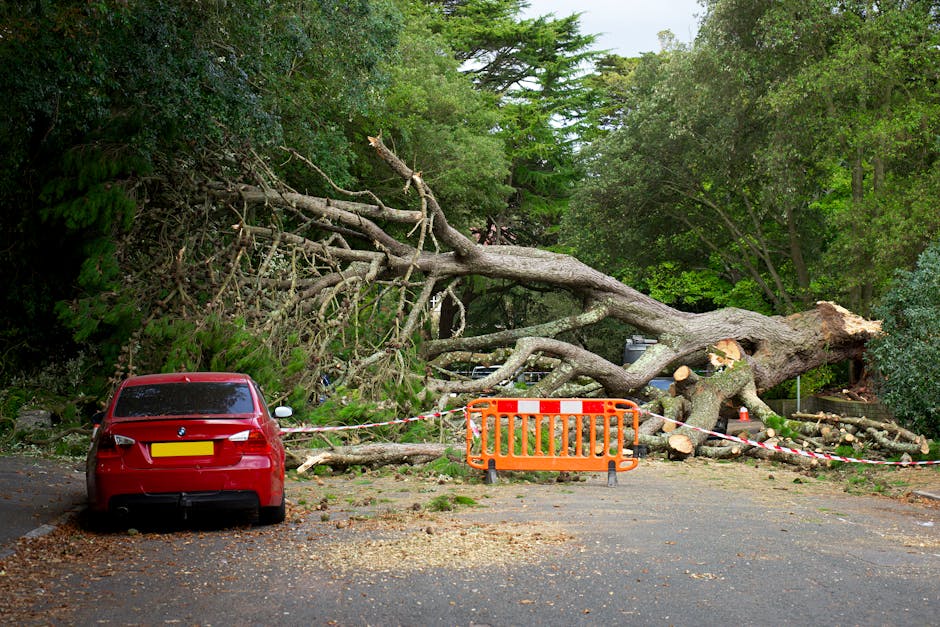
Here is a realistic example. After an overnight storm, a Plaistow homeowner wakes to find a broken branch across the side path, wet leaves packed against the back gate, and a section of hedge leaning into the neighbour's side. The garden is not destroyed, but it is awkward, messy, and a little unsafe. Guests are due later that day. Of course they are.
A same-day gardener arrives, checks the branch, and confirms it can be removed safely without disturbing the rest of the tree. The path is cleared first so access is restored. The hedge is cut back where it has torn, loose debris is removed, and the worst of the soggy leaf build-up is collected before it starts slipping underfoot. The garden is not "finished" in the grand sense, but it is safe, tidy enough, and no longer causing stress.
Later, the homeowner books follow-up maintenance for the hedge and a wider review of the back boundary. That second step matters. If you only deal with the obvious damage, you may miss the reason it failed in the first place.
That is the value of urgent care done properly. It is not just a quick patch. It is the thing that gets the garden back to a decent baseline so life can carry on.
Practical Checklist
Use this checklist if you are getting ready to book same-day garden help after a storm.
- Identify any immediate hazards, especially unstable branches or blocked paths.
- Keep children, pets, and visitors away from affected areas.
- Take a few clear photos for reference.
- Note whether access is limited by gates, parked cars, or narrow side passages.
- Describe the worst issue first, not the smallest one.
- Ask what can be addressed on the same day and what will need follow-up.
- Confirm how waste will be removed or managed.
- Check whether the job relates to trees, hedges, turf, decking, or wider landscaping.
- Keep expectations sensible if the ground is waterlogged or fragile.
- Arrange longer-term maintenance once the urgent risk has been dealt with.
Simple rule: if you can safely walk through the garden and clearly understand the danger, you are already thinking the right way. If you cannot, step back and let the professionals handle it. That is not overreacting. It is sensible.
Get a free quote today and see how much you can save.
Conclusion
Storm damage has a habit of arriving fast and lingering longer than you want. The good news is that a same-day response can make a stressful situation feel manageable again. Whether you are dealing with broken branches, blown-in debris, bent hedging, or a garden that simply needs urgent attention after bad weather, the right help focuses on safety first and restoration second.
If you are in Plaistow and your outdoor space needs quick, careful treatment, do not wait for the mess to settle itself. It rarely does. A prompt visit can protect the property, restore access, and give you back a bit of breathing room. And honestly, after a stormy night, that breathing room matters more than people admit.
For a reliable next step, use the information here to assess the issue clearly, and then move quickly on the parts that cannot wait. A well-handled urgent call today can save you a lot of bother tomorrow - sometimes that is the whole difference.
Frequently Asked Questions
How fast can same day gardeners in Plaistow usually attend after storm damage?
It depends on workload, weather conditions, and the severity of the issue, but urgent jobs are normally prioritised when there is a safety concern or blocked access. The clearer your description, the easier it is to judge urgency.
What counts as an urgent garden issue after a storm?
Urgent issues usually include fallen branches, unstable trees or shrubs, blocked paths, dangerous debris, damaged fencing that affects safety, and anything that could worsen if left until later.
Can a gardener clear a fallen branch the same day?
Often, yes, if the branch can be handled safely and the site is accessible. If it is part of a larger tree risk or is under tension, the gardener may recommend a more specialist approach.
Do I need to be home for an emergency garden visit?
Not always, but it helps if someone can confirm access and show the affected area. If you cannot be there, make sure the entry details and the issue are explained clearly in advance.
Will storm damage always need tree removal?
No. Many storm issues are solved with selective cutting, clearance, or temporary stabilisation. Tree removal is only considered when the tree or major limb is genuinely unsafe or beyond sensible repair.
What should I do before the gardener arrives?
Keep people and pets away from the damaged area, avoid touching unstable branches, and take a quick look at access routes. Photos can help too, especially if the damage is spread across more than one part of the garden.
Is same day garden care more expensive than standard maintenance?
Emergency or same-day work may be priced differently from routine visits because it is more urgent and sometimes less predictable. Exact pricing depends on the job, waste volume, and how much work is needed on the day.
Can a same day gardener also help with clearing wet leaves and slippery paths?
Yes. That is one of the most common urgent tasks after stormy weather. Clearing leaves, mud, and loose debris helps reduce slipping hazards and restores access quickly.
What if the storm damage is partly on a neighbour's side?
If the issue crosses a boundary, it is best to explain that upfront. The gardener can then work carefully around access, ownership, and what is safe to remove without causing confusion.
Should I book garden maintenance after the urgent repair?
Usually, yes. Once the immediate damage is dealt with, routine maintenance can help reduce repeat problems. Trimming back overgrowth, keeping lawns manageable, and reviewing weak spots all make storms less disruptive next time.
How do I know whether I need clearance, maintenance, or landscaping after a storm?
If the problem is mostly debris, garden clearance is often enough. If the area needs ongoing care, maintenance makes sense. If the storm has exposed a deeper layout or drainage issue, landscaping may be the better long-term fix.
What is the most important thing to ask before booking urgent garden help?
Ask what can be made safe on the same day and what will need follow-up. That simple question keeps expectations grounded and helps you understand whether the job is a quick clear-up or part of a bigger repair.