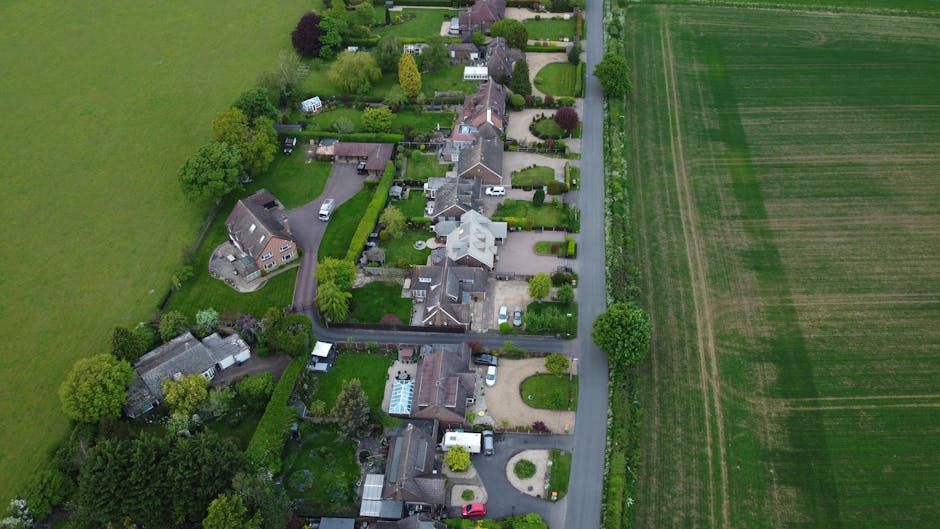
Plaistow gardeners for Upton Lane estates and flats: a practical guide for residents, landlords and managing agents
If you live or manage property near Upton Lane, you already know the odd truth of shared outdoor spaces: they can look lovely one week and slightly wild the next. A small strip of grass outside a block, a communal hedge leaning over a path, planters filling with litter after a windy spell - it all adds up. That is where Plaistow gardeners for Upton Lane estates and flats come in. The right local gardening support helps keep shared spaces neat, usable and safe without turning the whole thing into a headache.
This guide explains what that service usually covers, how it works in practice, who it suits, and what to look for before you book. It also covers common pitfalls in flats and estates, from access issues to maintenance schedules, so you can make a sensible decision. To be fair, communal gardening is often less about "nice lawns" and more about consistency, access, and not annoying residents - which is harder than it sounds.
Table of Contents
- Why Plaistow gardeners for Upton Lane estates and flats Matters
- How Plaistow gardeners for Upton Lane estates and flats Works
- Key Benefits and Practical Advantages
- Who This Is For and When It Makes Sense
- Step-by-Step Guidance
- Expert Tips for Better Results
- Common Mistakes to Avoid
- Tools, Resources and Recommendations
- Law, Compliance, Standards, or Best Practice
- Options, Methods, or Comparison Table
- Case Study or Real-World Example
- Practical Checklist
- Conclusion
- Frequently Asked Questions
Why Plaistow gardeners for Upton Lane estates and flats Matters
Shared outdoor areas in estates and flats have a different rhythm from a private back garden. They are used more often, by more people, and they tend to pick up wear faster. Footpaths get muddy. Hedges creep into walkways. Front beds collect weeds, wrappers and the occasional rogue shopping bag. If no one stays on top of it, the whole place can start to feel tired very quickly.
For Upton Lane properties, this matters for a few reasons. First, appearance. Residents and visitors notice the outside before they notice the staircase, lobby or lift. Second, safety. Overgrown planting can narrow routes, hide steps, and make bin areas awkward to use. Third, value. A well-kept shared landscape tends to support the overall feel of a block or estate. It is not flashy. It just quietly works.
There is also a practical management angle. Estates often need predictable maintenance rather than one-off rescue work. A tidy green space in March can look a bit foolish by June if no one is trimming, mowing or clearing regularly. That sounds obvious, but in real life maintenance often gets delayed until somebody complains. Then everything becomes urgent. And expensive. Funny how that happens.
Expert summary: On estates and flats, good gardening is less about "doing everything at once" and more about keeping the site presentable, safe and manageable all year round.
When gardeners understand block living, they work around residents, shared access, parking, bin collections and noise sensitivity. That local awareness is just as important as the tools in the van.
How Plaistow gardeners for Upton Lane estates and flats Works
Most estate and flat gardening services start with a site walk. That is the sensible bit. A quick look around will reveal what is growing, what is damaged, where access is tricky, and which parts need regular attention versus seasonal work. You may have lawn patches, hedges, shrubs, small trees, planter beds, communal courtyards or rear access strips. Each one behaves differently.
After the initial assessment, the work is usually planned as a schedule. For example, a block may need lawn mowing every one or two weeks during the growing season, hedge trimming at set intervals, and garden clearance after storms or a neglected period. Some sites need only light touch maintenance. Others need a reset before they can be kept tidy. That is where garden clearance and longer-term garden maintenance naturally go hand in hand.
For Upton Lane estates and flats, access is often the real issue. Gardeners may need keys, gate codes, instructions for bin-store proximity, or guidance on where waste can be piled before removal. A good team will ask these things early, not after they have arrived and discovered there is nowhere to park. It happens more than people like to admit.
The work itself can include:
- regular lawn care and edging
- hedge trimming and shaping
- weed control in beds, paths and boundary lines
- leaf clearance in autumn
- shrub pruning and tidy-ups
- jet-free, resident-friendly clean-up after cuttings
- soft landscaping or small improvement projects where needed
When the site needs more than routine upkeep, some blocks also benefit from landscaping or landscape gardening work, especially where planting has failed, drainage is poor, or communal areas need a more durable design.
Key Benefits and Practical Advantages
The obvious benefit is a tidier site. But the better reasons run deeper.
1. Better first impressions without constant chasing
Estates and flats can look cared for even between visits if the maintenance plan is realistic. That is a big deal for landlords, housing managers and residents who want the place to feel looked after, not patched together at the last minute.
2. Safer routes and clearer access
Overgrown hedges, slippery leaf fall and uncut path edges are a nuisance at best and a hazard at worst. Keeping walkways open matters for everyday movement, pushchairs, bins, mobility aids and delivery access.
3. Less resident friction
Let's face it, communal spaces can become a small source of conflict. One resident wants everything cut back, another hates noise, another wants pollinator-friendly borders, and someone else just wants the bin area less grim. A regular maintenance plan reduces the "why hasn't this been done?" emails. A lot.
4. Easier budgeting
Regular visits usually help avoid bigger reactive jobs later. If a hedge is trimmed on time, it is less likely to become an oversized, awkward job. If waste is cleared routinely, it is less likely to turn into a full-scale cleanup. For pricing and planning, a good place to start is pricing and quotes, especially if you are comparing routine care with one-off work.
5. Better plant health
Plants in communal spaces often get stressed by foot traffic, poor soil, poor drainage or inconsistent care. Routine pruning, mowing and feeding where appropriate can make a real difference. Not glamorous, just effective.
| Need | Best approach | Typical outcome |
|---|---|---|
| Quick visual improvement | Clearance and tidy-up visit | Immediate improvement, but short-term only if not followed by maintenance |
| Shared outdoor space that stays presentable | Scheduled garden maintenance | Consistent condition across the year |
| Problem planting or tired communal beds | Landscape gardening or landscaping | Improved structure, resilience and usability |
Who This Is For and When It Makes Sense
This type of service is not only for large estates. In fact, some of the most needy sites are modest ones. A small front garden around a block can look neglected very quickly because everyone sees it every day.
It tends to make sense for:
- managing agents looking after mixed-use or residential blocks
- housing associations and estate managers
- private landlords with communal outside space
- resident associations coordinating shared upkeep
- flat owners who want better-looking shared grounds
- caretakers or site teams who need reliable external support
It is especially useful when the site has:
- shared lawns or borders
- hedges along fences or boundaries
- communal courtyards or planted entrances
- unstable growth after a period of neglect
- limited storage for equipment
- residents who are sensitive to noise, mess or timing
If you are weighing up a one-off tidy versus an ongoing contract, ask yourself a simple question: do you want the area to look good once, or stay good? That is really the heart of it.
Step-by-Step Guidance
Here is a practical way to approach gardening support for Upton Lane estates and flats without overcomplicating it.
- Walk the site properly. Look at lawns, hedges, weeds, bin areas, access routes, and any spots where water sits after rain. A damp patch in the corner may seem minor until it becomes a muddy bottleneck.
- Separate regular tasks from seasonal tasks. Mowing and light tidying may need frequent visits. Tree work, major pruning and clearance usually happen less often.
- Agree priorities. What must be done first? Safety routes, overgrowth near entrances, or the visible front strip? Not everything has equal urgency, despite what the email chain may suggest.
- Set access rules. Make sure gardeners know parking options, keys, code entry, resident restrictions and waste holding points.
- Decide on waste handling. Green waste, soil, prunings and mixed debris need to be removed responsibly. If the site generates a lot of material, ask how disposal is handled and whether recycling and sustainability practices are part of the service.
- Build a maintenance rhythm. A sensible calendar beats last-minute panic. Small, regular visits often work better than occasional heavy resets.
- Review after the first few visits. Check whether the site is staying under control or whether something is being missed, such as edges, corners or areas behind bins.
A quick example: a block with a small communal lawn and hedges may look tidy after one spring visit. But by early summer the grass edges are ragged, weeds have returned along the fence line, and the hedge has started brushing the path. That is the point where the schedule matters more than the single job.
Expert Tips for Better Results
Over time, the best results usually come from the small details. Not the dramatic ones. The details.
- Keep one person responsible. Even if several people care about the site, it helps when one contact signs off work and handles changes.
- Choose practical planting. Beds that need constant fussing are not ideal for shared spaces. Hardy, repeatable planting usually performs better.
- Use edging as a visual reset. Clean lawn edges and border lines can make a site look much better, even if the planting is simple.
- Time work around resident traffic. Early starts may be fine on some sites, but not on others. Noise and movement should fit the block, not the other way around.
- Plan around seasons. Autumn leaf fall, spring growth spurts and winter tidy-ups all need different treatment.
- Document the condition. A few before-and-after notes help everyone understand what has changed and what still needs attention.
One small but important point: if your team also handles other outside improvements, it can be useful to keep specialist tasks separate. For instance, hard surfaces and outdoor structures may need different attention from the planting beds. In those cases, services such as decking services may sit alongside the gardening plan rather than inside it. Different jobs, different rhythm.
And yes, sometimes a neat hedge and a swept path are enough to make people feel better about the whole building. Human beings are funny that way.
Common Mistakes to Avoid
Shared-site gardening goes wrong in predictable ways. Once you know them, they are easier to avoid.
- Booking only reactive work. A one-off rescue may be useful, but it rarely keeps a block tidy for long.
- Ignoring access issues. If the team cannot park, enter safely or store cuttings, the job slows down before it begins.
- Mixing priorities. Trying to solve weed control, hedge reduction, tree work and lawn repair in one rushed visit can lead to half-finished results.
- Using the wrong scale of service. A small courtyard may need light maintenance, while an overgrown rear boundary may need proper clearance first.
- Forgetting residents. Noise, mess and timing matter in flats. A clean finish counts for a lot.
- Not checking insurance and safety. On communal sites, this is not optional fluff. It is basic due diligence.
Another common one: assuming every green area can be treated the same way. A lawn strip by the entrance is not the same as a shaded service yard. A hedge beside windows is not the same as a boundary hedge at the back. Small distinction, big difference.
Tools, Resources and Recommendations
You do not need to become a gardening expert to choose well, but a little familiarity helps. Here are the things that matter most in estate and flat work.
Useful equipment categories
- Lawn care tools: mowers, strimmers, edging tools and collection gear for regular grass areas. If that is a core need, lawn mowing is usually one of the most frequent services on a block.
- Cutting and shaping tools: hedge trimmers, secateurs, pruning saws and related equipment for shrubs and borders. For dense boundary growth, hedge trimming often makes the biggest visual difference.
- Clearance and waste tools: bags, rakes, loaders and transport arrangements for larger clean-ups.
- Safety gear: gloves, eye protection, hearing protection and suitable footwear. Common sense, really, but still worth stating.
Recommended service mix for most blocks
- regular garden maintenance
- seasonal clearance
- targeted hedge and shrub cutting
- occasional landscape improvements
- tree assessment or removal where required
Where trees are involved, care is especially important. Larger limbs, overhanging branches or poor tree structure should be handled by people with the right experience. In such cases, tree lopping and removal may be relevant, but it should always be planned carefully and safely. No one wants a quick fix that creates a bigger problem later.
For wider service planning, it can help to review the company's services overview and the team's background on the about us page. That gives you a better feel for whether they understand the sort of site you have.
Law, Compliance, Standards, or Best Practice
For estates and flats, gardening is not just a cosmetic job. It often touches safety, access, noise, waste handling and contractor responsibility. You do not need a legal textbook, but you do need a sensible standard.
In the UK, good practice usually means making sure contractors are properly insured, work safely around residents, and leave pathways, entrances and communal spaces in a safe condition. For shared residential sites, it is also wise to think about risk assessment, especially where tools, trip hazards, wet surfaces or tree work are involved.
Waste handling matters too. Green waste and mixed garden debris should be managed responsibly, and recycling where practical is a sensible expectation. If a provider takes sustainability seriously, that is usually a good sign of an organised operation rather than a messy one.
Noise and timing should also be considered in flats and estates. There may not be a single rule that fits every site, but there is always a common-sense duty to minimise disruption. Early morning hedge work beside bedrooms? Probably not ideal. A thoughtful contractor will understand that without needing a lecture.
It is also sensible to ask about insurance and safe working arrangements before any regular contract begins. If you are making a formal comparison between providers, insurance and safety is one of the clearest trust signals available. You can also review health and safety policy information and the site's terms and conditions so everyone knows how the work will be handled.
Options, Methods, or Comparison Table
Most properties near Upton Lane will fall into one of three practical approaches. Choosing the right one depends on the condition of the site and how often residents use it.
| Approach | Best for | Pros | Trade-offs |
|---|---|---|---|
| One-off tidy-up | Recently neglected spaces, move-ins, handovers, or seasonal catch-up | Fast visual improvement, useful reset | Can slip back without follow-up |
| Regular maintenance | Most estates and flats with ongoing use | Reliable, predictable, easier to manage | Requires planning and a stable budget |
| Maintenance plus landscaping | Sites with poor layout, tired planting or drainage issues | Improves both appearance and function | Needs more coordination and likely a bigger initial commitment |
In many cases, the best answer is a blend: initial clearance, then scheduled maintenance. That is not fancy, just sensible.
Case Study or Real-World Example
Here is a realistic example, without turning it into a polished fairy tale.
A small block near Upton Lane had a front communal strip with patchy grass, two hedges, and a rear access area that gathered leaves and broken twigs every autumn. Residents complained mostly about the look of it, but the real issue was the path by the side gate: it kept narrowing because the hedge had not been trimmed in time. Nobody wanted to be the one chasing it, so it drifted.
The solution was simple enough. The site was first cleared and cut back, then put onto a regular plan with mowing, hedge trimming and seasonal tidy-ups. The rear area stopped looking like an afterthought, and the front entrance started feeling intentional again. Nothing magical. Just a proper routine.
What changed most was not just the appearance but the mood. Residents passed through without muttering. Deliveries were easier. The site felt watched over. That sort of change is easy to underestimate until it is gone, then suddenly very noticeable.
Practical Checklist
Use this before booking or renewing a maintenance plan for an estate or block near Upton Lane.
- Have you identified every shared outdoor area that needs attention?
- Do you know whether the site needs clearance, maintenance, or both?
- Are access details, parking and keys arranged clearly?
- Have you decided how often mowing, trimming and tidy-ups should happen?
- Is waste removal included or agreed separately?
- Do residents need notice before work starts?
- Has the provider explained how they handle safety and insurance?
- Are there trees, large hedges or awkward boundaries that need specialist handling?
- Have you asked what happens if the weather causes delays?
- Is the scope of work written down in plain language?
If you can tick most of those off, you are in a far better place than many sites that rely on memory and good intentions. Which, honestly, is not much of a system.
Conclusion
Plaistow gardeners for Upton Lane estates and flats are about more than a neat lawn or a trimmed hedge. They help shared spaces stay safe, calm, usable and presentable without creating extra work for residents or managers. The best results usually come from regular, realistic maintenance backed by clear access, sensible scheduling and a team that understands how flats and estates actually operate.
Whether your site needs a one-off clear-up, an ongoing plan, or a combination of both, the key is to think in terms of consistency. That is what keeps communal spaces from slipping into chaos. Small care, repeated well, tends to win.
If you are comparing options now, take a few minutes to review the service pages, check the company background, and think honestly about what your site really needs over the next six to twelve months. That bit of planning can save a lot of hassle later.
Get a free quote today and see how much you can save.
And if you do nothing else today, at least look at the hedge nearest the path. It usually tells the truth before anyone else does.
Frequently Asked Questions
Do Plaistow gardeners for Upton Lane estates and flats handle both one-off and regular work?
Yes. Most shared-site gardening plans start with either a one-off clearance or a first tidy-up, then move into regular maintenance if the property needs ongoing care. That is usually the most practical approach for blocks and estates.
What type of maintenance do flats usually need most often?
Grass cutting, hedge trimming, weed control, leaf clearance and general tidying are the most common requests. In many blocks, mowing and edging are the jobs that make the quickest visible difference.
How do I know whether my property needs clearance or maintenance?
If the site is overgrown, cluttered or difficult to access, clearance is probably the first step. If it is already under control but needs to stay that way, maintenance is the better fit. Many sites need both, just at different stages.
Can gardeners work around residents living in the block?
They should. A good local team will factor in access, noise, parking, and the flow of residents through communal areas. It is one of the main reasons local experience matters.
Is hedge trimming important for shared entrances and walkways?
Very much so. Hedges can quickly narrow paths, block sightlines and make entrances feel cramped. Trimming keeps them neat and helps maintain safe, easy access.
What should managing agents ask before booking a gardener?
Ask about scope of work, frequency, access requirements, waste removal, insurance, and how delays or extra work are handled. Clear expectations at the start prevent confusion later.
How often should communal lawns be cut?
It depends on growth, season and use, but regular mowing during the growing months is usually best. If the grass is used heavily or grows quickly, weekly or fortnightly visits may be needed.
Can landscaping help a tired estate look better long term?
Yes. If planting is failing, borders are awkward, or the layout is not very practical, landscaping can improve both appearance and function. It is especially useful where simple maintenance alone will not solve the problem.
What happens to the garden waste after the work is done?
That depends on the service arrangement, but waste should be removed and handled responsibly. If sustainability matters to you, ask how recycling and disposal are managed before the job begins.
Do I need to check insurance for garden work on a block?
Yes. For estates and flats, insurance and safe working are basic expectations. Shared spaces carry more risk than a private garden, so it is sensible to confirm this before any ongoing contract.
What is the best way to budget for estate gardening?
Start by separating regular care from occasional larger jobs. Routine maintenance is easier to budget for, while tree work, clearance or landscaping can be planned as separate items. A clear quote helps a lot.
Can one gardener manage both soft landscaping and regular maintenance?
Sometimes yes, especially on smaller sites. But if the property needs design changes, drainage improvements or heavier clearance, it may be better to treat those as separate phases. That tends to keep the work cleaner and more efficient.
If you want dependable support for communal grounds, a local team that understands flats and estates can make life a lot easier. And frankly, once the outdoor space feels under control, the whole building tends to breathe a bit better too.